Fabric Inspection Machine: The Key to Quality Control in Textile Manufacturing
Overview
-
Condition:
New
-
Textarea:
Introduction
In the competitive textile and garment industry, maintaining high-quality fabric standards is essential for customer satisfaction and business growth. Defects in fabric can lead to production losses, increased costs, and damaged brand reputation. This is where a Fabric Inspection Machine becomes an indispensable part of the manufacturing process.
At LUNEX Mandakini Trading Company, we provide advanced fabric inspection solutions designed to help textile manufacturers identify defects, improve efficiency, and maintain consistent product quality. By integrating modern inspection technology into production workflows, businesses can reduce waste and ensure that only premium-quality fabrics reach the market.
What is a Fabric Inspection Machine?
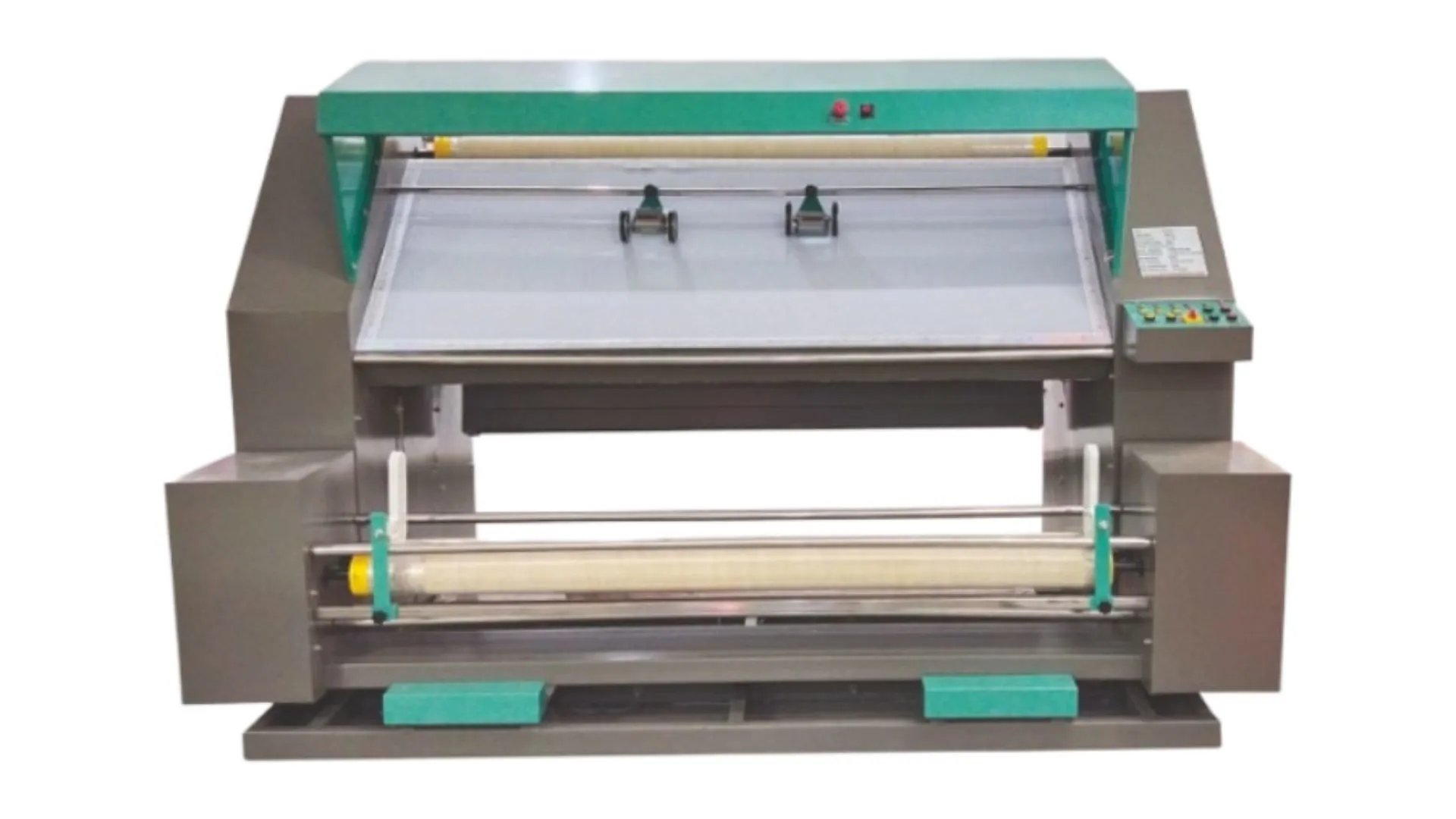
A Fabric Inspection Machine is a specialized piece of equipment used to inspect, measure, and evaluate fabric quality before it proceeds to cutting, stitching, or finishing processes. The machine allows operators to identify weaving defects, stains, holes, color variations, and other imperfections that may affect the final product.
The inspection process helps manufacturers maintain strict quality standards while minimizing the risk of defective products reaching customers. Whether used in textile mills, garment factories, or fabric warehouses, fabric inspection machines play a crucial role in quality assurance.
Why Fabric Inspection is Important
Quality control begins with the fabric itself. Even minor defects can result in significant production issues later in the manufacturing process. A reliable Fabric Inspection Machine helps businesses:
● Detect fabric defects at an early stage
● Reduce material wastage
● Improve product quality consistency
● Increase production efficiency
● Minimize customer complaints and returns
● Ensure compliance with quality standards
Early detection of defects prevents costly mistakes and helps manufacturers maintain a competitive advantage in the textile industry.
Key Features of Modern Fabric Inspection Machines
Today's fabric inspection machines are designed with advanced features to improve accuracy and productivity.
1. High-Quality Inspection Lighting
Proper illumination is essential for detecting fabric imperfections. Advanced lighting systems provide clear visibility, enabling operators to identify even the smallest defects.
2. Adjustable Fabric Speed
Variable speed controls allow operators to inspect different fabric types efficiently while maintaining inspection accuracy.
3. Accurate Length Measurement
Integrated measuring systems automatically record fabric length, helping manufacturers maintain inventory accuracy and production planning.
4. User-Friendly Controls
Modern machines feature intuitive control panels that simplify operation and reduce training requirements.
5. Fabric Rolling and Rewinding Functions
Efficient rolling and rewinding systems improve workflow and prepare inspected fabric for the next production stage.
6. Defect Marking Systems
Many inspection machines include defect marking features that help operators easily identify and track fabric flaws for corrective action.
Applications of Fabric Inspection Machines
A Fabric Inspection Machine is widely used across various sectors of the textile industry, including:
Textile Mills
Manufacturers use inspection machines to evaluate fabric quality immediately after weaving or knitting processes.
Garment Manufacturing Units
Garment factories inspect fabric before cutting to prevent defective material from entering production.
Fabric Trading Companies
Fabric suppliers and distributors use inspection equipment to verify product quality before delivery.
Home Textile Industry
Manufacturers of bed linens, curtains, upholstery, and related products rely on fabric inspection for quality assurance.
Technical Textile Production
Industries producing specialized fabrics require strict inspection procedures to meet performance and safety standards.
Benefits of Using a Fabric Inspection Machine
Improved Product Quality
Consistent fabric inspection ensures that defects are identified and removed before production continues, resulting in higher-quality finished products.
Increased Productivity
Automated inspection processes reduce manual effort and improve operational efficiency.
Reduced Manufacturing Costs
By detecting defects early, businesses can avoid expensive rework, material waste, and production delays.
Better Customer Satisfaction
High-quality products lead to stronger customer trust, repeat business, and positive brand reputation.
A systematic inspection process enables manufacturers to maintain consistent quality across all production batches.
The Connection Between Fabric Inspection and Needle Detection
While fabric inspection focuses on identifying visual defects, safety is another critical aspect of textile manufacturing. This is where a Needle Detector Machine becomes equally important.
A Needle Detector Machine is designed to detect broken needles, metal fragments, and other metallic contaminants that may accidentally remain in textile products during manufacturing. This is especially important for garments, children's clothing, and export-quality products where safety requirements are strict.
Combining a Fabric Inspection Machine with a Needle Detector Machine creates a comprehensive quality control system. While the inspection machine ensures fabric quality, the needle detector ensures product safety, helping manufacturers meet international standards and customer expectations.
Choosing the Right Fabric Inspection Machine
Selecting the right machine depends on several factors:
Fabric Type
Different fabrics require different inspection settings. Consider whether you work with woven, knitted, denim, technical, or specialty fabrics.
Production Volume
High-volume manufacturers should invest in machines capable of handling continuous operation and larger fabric rolls.
Inspection Accuracy
Look for machines with reliable measuring systems, quality lighting, and efficient defect detection capabilities.
Ease of Operation
User-friendly controls and simple maintenance procedures can significantly improve productivity.
After-Sales Support
Choose a trusted supplier that offers installation, training, maintenance, and technical support.
Why Choose LUNEX Mandakini Trading Company?
LUNEX Mandakini Trading Company is committed to providing advanced textile machinery solutions that help manufacturers improve productivity, quality, and operational efficiency.
Our fabric inspection machines are designed to meet the needs of modern textile production environments. We focus on delivering reliable equipment that supports accurate inspection, smooth operation, and long-term performance.
With extensive industry experience and a customer-focused approach, we help businesses optimize their quality control processes and achieve better manufacturing outcomes.






Leave a Comment