Eco-Friendly Sofa, Carpet & Mattress Cleaning Service in the UAE
- Condition: New
-
Textarea:
The chemicals used to clean a sofa don't disappear once the fabric dries. Some of them linger in the air, some settle back into the material, and some end up down the drain and into the wider water system.
That reality is pushing more households and businesses across the UAE to ask a different question before booking a cleaning service — not just "will this get my furniture clean," but "what exactly is being used to do it."
Why Traditional Cleaning Products Raise Real Concerns
VOCs Are More Common Than Most People Realize
Conventional cleaning products release volatile organic compounds, or VOCs, into indoor air during and after use. These compounds are a recognized contributor to indoor air pollution and have been linked to respiratory irritation with repeated exposure.
Indoor air consistently carries higher VOC concentrations than outdoor air, and cleaning products are one of several everyday sources adding to that load alongside furniture materials, air fresheners, and even cooking.
The Risk Compounds With Regular Use
A study covering cleaning workers found they experience a notably higher incidence of respiratory disease, largely attributed to VOC exposure in enclosed environments.
For a household or business booking cleaning services regularly, understanding what's in the products being used isn't an overreaction. It's a reasonable question given how often that exposure repeats.
Water Impact Adds Another Layer
Beyond air quality, biodegradable cleaning products can reduce water pollution significantly compared to conventional chemical formulas, since non-biodegradable residue doesn't break down the same way once it enters the water system.
The Shift Toward Green Cleaning Is Already Underway
The Market Numbers Are Growing Fast
The global green cleaning services market reached roughly $7.8 billion in 2024 and is projected to climb to $17.2 billion by 2033, growing at a compound annual rate of about 9.1%.
That growth spans residential, commercial, and industrial sectors alike, not just a niche corner of the cleaning industry.
Household green cleaning products specifically were valued at around $12 billion in 2024, with projections reaching $20.5 billion by 2033. Much of that demand is coming from households with children, pets, or family members with allergies or sensitivities, who tend to prioritize safer formulations over conventional options.
Regulation and Certification Are Reinforcing the Trend
Green building certification programs increasingly require low-VOC cleaning protocols as part of their standards, and low-VOC cleaning chemical demand is projected to keep growing at a compound annual rate of nearly 7% through the mid-2030s. What started as a consumer preference is steadily becoming an institutional standard.
Switching Products Makes a Measurable Difference
Independent testing comparing conventional and green cleaning products found that switching to green formulations produced a meaningful reduction in indoor VOC concentrations linked to health hazards. This isn't a marginal difference — it's a measurable one, backed by air quality testing rather than marketing claims alone.
What "Eco-Friendly" Actually Means for Furniture Cleaning
Plant-Based, Non-Toxic Cleaning Agents
Eco-friendly furniture cleaning typically relies on plant-based surfactants rather than synthetic chemical formulas, avoiding ammonia, chlorine, and phthalates commonly found in conventional cleaning products.
Steam Extraction Instead of Heavy Chemical Saturation
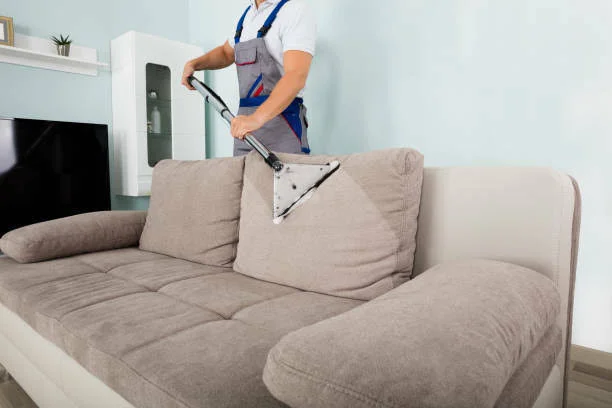
Many green cleaning services pair plant-based products with steam extraction methods, which lift dirt and allergens using heat and controlled moisture rather than relying on chemical concentration to do the work.
No Synthetic Fragrances or Dyes
Genuinely eco-friendly products tend to skip artificial fragrances and dyes entirely, both of which can trigger sensitivities in some households without adding any real cleaning benefit.
Sustainable Packaging and Sourcing
Beyond what touches the furniture directly, many green cleaning providers also use refillable or recyclable packaging for their products, extending the sustainability commitment beyond just the formula itself.
Why This Matters More in the UAE Specifically
A Climate That Traps What Doesn't Break Down
The UAE's heat and humidity swings mean chemical residue left behind on upholstery or carpet doesn't always dissipate the way it might in a cooler, drier climate.
Residue can interact with heat and moisture in ways that create odor or discoloration over time — a problem eco-friendly, low-residue products largely avoid.
Dense Indoor Living With Constant AC Circulation
With most UAE residents living in air-conditioned apartments where windows rarely open, indoor air quality depends heavily on what's introduced into that recirculating system. Choosing lower-VOC cleaning products has a more concentrated impact in a home where the same air keeps circulating for hours at a time.
A Large Population With No Margin for Guesswork
Expatriates make up close to 88.5% of the UAE's population, and much of that population is raising children or managing allergies in rented homes without full control over building materials or ventilation.
Choosing what cleaning products enter that environment is one of the few variables residents can actually control directly.
Businesses Are Making the Same Shift
ESG Commitments Are Reaching Cleaning Contracts
Corporate sustainability commitments are increasingly shaping procurement decisions, including which cleaning providers hotels, offices, and commercial properties choose to work with. A vendor's environmental practices are no longer a side note in these contracts — they're often a stated requirement.
Hospitality Is a Major Driver
Hotels represent a significant share of demand for green cleaning services, given the volume of carpet and upholstery cleaning involved in daily operations and the growing expectation among guests for genuinely non-toxic, low-residue cleaning practices.
Healthcare and Education Follow Strict Standards
Clinics, schools, and care facilities often have the least flexibility on this question, since occupational health guidelines increasingly steer procurement toward low-VOC, non-toxic cleaning products as a baseline requirement rather than a preference.
What to Look for in an Eco-Friendly Cleaning Provider
Ask What's Actually in the Products
"Eco-friendly" is used loosely across the cleaning industry, and not every provider backs the label with real formulation details. A provider confident in its process should be able to explain what's in their cleaning solution, not just apply the label as a marketing term.
Confirm the Method, Not Just the Product
Even a genuinely eco-friendly product can be undermined by a cleaning method that requires heavy saturation or long drying times. Ask whether the service pairs green products with proper extraction to avoid leaving excess moisture behind.
Check for Independent Verification
Providers that reference third-party testing or certification for their products and methods tend to be more credible than those relying purely on self-described claims.
Compare Transparent Pricing
Eco-friendly service shouldn't come with vague, inflated pricing simply because of the label. Reliable providers publish clear rates by furniture size and type. Before booking, it's worth checking a current sofa cleaning Dubai price listing to see what a fair, itemized quote looks like.
Frequently Asked Questions
Does eco-friendly cleaning work as well as traditional chemical cleaning?
Independent studies show plant-based and low-VOC formulations can achieve comparable performance to conventional cleaners, particularly when paired with steam extraction rather than chemical concentration alone.
Is eco-friendly cleaning more expensive?
Pricing varies by provider more than by product type. Some businesses adopting green cleaning practices report reduced operating costs over time due to lower waste disposal and compliance expenses, which can offset any premium on the product side.
Are eco-friendly products safe around children and pets?
Genuinely eco-friendly, low-VOC formulations are generally considered safer for households with children and pets, since they avoid many of the harsh chemicals linked to skin and respiratory irritation.
How can I tell if a provider's "eco-friendly" claim is genuine?
Ask specific questions about ingredients, certifications, and method. Vague answers or a reluctance to discuss specifics are usually a sign the label is more marketing than substance.
Why This Choice Is Worth Making
Furniture cleaning was never just about appearance, and it's becoming less about that every year. The products used to clean a sofa, mattress, or carpet directly affect the air a household breathes for months afterward, not just the few hours it takes for the fabric to dry.
In a market like the UAE, where indoor air circulates constantly and residue doesn't always break down the way it might elsewhere, choosing a provider that uses genuinely eco-friendly methods isn't just a values-based decision. It's a practical one, with real air quality and health implications behind it.
Location



Information

Location
Office 604-7, Elite Business Centre, Al Barsha-1, Al Barsha - Dubai, United Arab Emirates
Contact Number
+971 54 716 5XXX
Click to reveal phone number
Leave a Comment