

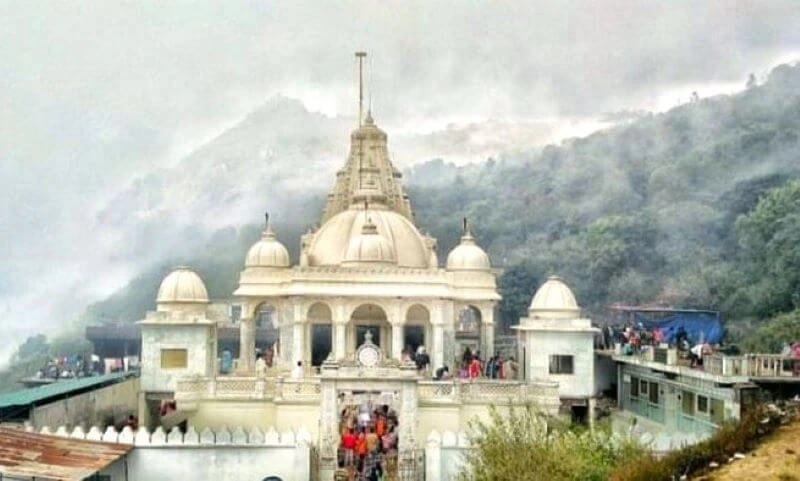




Sammed Shikharji Yatra & Ashtapad Tirth Yatra for Jain Devotees
- Condition: New
-
Textarea:
For Jain devotees, pilgrimage is not just travel; it is a spiritual ascent toward self-purification and liberation. Among the most revered yatras in Jainism are the Sammed Shikharji Yatra and the Ashtapad Tirth Yatra. Both are deeply connected with the path of moksha and the lives of the Tirthankaras. These sacred journeys offer an opportunity to walk in the footsteps of the enlightened beings and strengthen one’s faith, devotion, and inner discipline.
Shri Sammed Shikharji – The Land of Nirvana
Sammed Shikharji, also known as Parasnath Hill, is one of the holiest pilgrimage sites for Jains. Located in the Giridih district of Jharkhand, this sacred hill is the place where 20 out of 24 Tirthankaras attained moksha (nirvana). For this reason, the Sammed Shikharji Yatra holds unmatched importance in Jain dharma.
The hill rises to an elevation of about 4,480 feet and is surrounded by serene forests. The spiritual atmosphere of the place fills every devotee with peace and devotion. Pilgrims undertake a trek of approximately 27 kilometers (round trip) to complete the yatra, visiting various “tonks” (shrines) dedicated to the Tirthankaras.
Spiritual Significance of Sammed Shikharji Yatra
The Sammed Shikharji Yatra is considered essential in a Jain devotee’s lifetime. According to Jain scriptures:
20 Tirthankaras attained salvation here.
Many monks and saints achieved moksha at this sacred hill.
Performing the yatra with pure faith helps in shedding karmas.
Devotees usually begin the climb early in the morning, chanting Navkar Mantra. Many perform the pilgrimage barefoot as a mark of devotion and austerity. The journey is physically demanding but spiritually uplifting.
The main tonk is dedicated to Lord Parshvanatha, the 23rd Tirthankara, whose temple at the summit is the most visited shrine. The panoramic sunrise view from the top is considered divine and transformative.
Important Tonks at Sammed Shikharji
During the Sammed Shikharji Yatra, devotees visit several sacred tonks, including:
Tonk of Lord Parshvanatha
Tonk of Lord Neminatha
Tonk of Lord Mallinatha
Tonk of Lord Chandraprabha
Each tonk marks the exact place where the Tirthankara attained nirvana. Devotees offer prayers, perform abhishek, and meditate at each shrine.
The yatra can be completed in one day or divided into two days, depending on health and devotion practices.
Ashtapad Tirth – The Eternal Sacred Mountain
The Ashtapad Tirth Yatra holds extraordinary importance in Jain tradition. Ashtapad is believed to be located near Mount Kailash in the Himalayas. According to Jain scriptures, it is the place where the first Tirthankara, Lord Rishabhdev (Adinath), attained moksha.
Unlike Sammed Shikharji, Ashtapad Tirth is not easily accessible today. Its exact geographical location is a subject of spiritual tradition and historical interpretation. However, symbolic temples and replicas have been built in various Jain pilgrimage centers to allow devotees to perform Ashtapad Tirth Yatra.
Significance of Ashtapad Tirth Yatra
The Ashtapad Tirth Yatra is associated with:
Nirvana of Lord Rishabhdev.
Construction of a magnificent shrine by his son, Bharat Chakravarti.
Symbol of spiritual elevation and liberation.
Jain texts describe Ashtapad as a divine mountain with eight steps (Ashta + pad). It represents the eight karmas that the soul must overcome to attain liberation.
For devotees, undertaking the Ashtapad Tirth Yatra signifies deep reverence for Adinath Bhagwan and a desire to walk on the path of renunciation and truth.
Comparing Sammed Shikharji Yatra and Ashtapad Tirth Yatra
Both yatras are spiritually powerful but have unique aspects:
Aspect
Sammed Shikharji Yatra
Ashtapad Tirth Yatra
Location
Jharkhand, India
Near Mount Kailash (belief)
Tirthankaras
20 attained moksha
Lord Rishabhdev attained moksha
Accessibility
Physically accessible
Mostly symbolic or restricted
Trek
27 km hill trek
High Himalayan spiritual symbolism
For many Jain devotees, completing both yatras fulfills a lifelong spiritual aspiration.
Rituals and Practices During the Yatra
During the Sammed Shikharji Yatra and Ashtapad Tirth Yatra, devotees observe:
Fasting or partial fasting
Chanting of Navkar Mantra
Pratikraman
Swadhyay (scriptural study)
Meditation and silence
Many pilgrims avoid worldly discussions during the journey and maintain spiritual focus. Some undertake the yatra as a vow (mannat) for spiritual growth or gratitude.
Best Time for Sammed Shikharji Yatra
The ideal time for Sammed Shikharji Yatra is between October and March when the weather is pleasant. Summers can be hot, and monsoons may make the trek slippery.
Special occasions such as Kartik Purnima and Paush Dashami witness a large number of pilgrims. It is advisable to plan accommodation in advance during peak seasons.
Accommodation and Facilities
At the base town of Madhuban, several Jain dharamshalas and bhojanshalas provide:
Clean vegetarian meals
Comfortable rooms
Guide services
Medical assistance
The facilities are designed keeping Jain traditions in mind, ensuring pure and satvik arrangements.
Spiritual Benefits of the Yatra
Undertaking the Sammed Shikharji Yatra and Ashtapad Tirth Yatra offers:
Purification of mind and soul
Reduction of karmic bondage
Strengthening of faith in Jain dharma
Inner peace and spiritual clarity
Jain scriptures state that even remembering these sacred places with devotion brings punya (merit). Visiting them in person multiplies the spiritual benefits manifold.
Preparing for the Yatra
Before planning the yatra, devotees should:
Maintain good physical fitness for trekking.
Follow a disciplined lifestyle.
Study the history and importance of the tirth.
Travel with experienced organizers for smooth arrangements.
Senior citizens can opt for doli services during the Sammed Shikharji trek.
A Journey Beyond the Physical
The Sammed Shikharji Yatra and Ashtapad Tirth Yatra are not ordinary pilgrimages. They represent the journey of the soul from bondage to liberation. Climbing the sacred hill of Shikharji symbolizes rising above worldly attachments. Reflecting on Ashtapad reminds devotees of the ultimate goal—moksha.
For Jain devotees, these yatras strengthen spiritual resolve and deepen devotion toward the Tirthankaras. Whether performed once in a lifetime or remembered daily in prayer, these sacred journeys hold eternal significance.
Embarking on the Sammed Shikharji Yatra and Ashtapad Tirth Yatra is truly a divine blessing—an opportunity to connect with the enlightened souls and progress on the path of truth, non-violence, and liberation.
Business Hours
We are currently open.
| Open | Close | ||
|---|---|---|---|
| Monday | Open (24 Hours) | ||
| Tuesday | Open (24 Hours) | ||
| Wednesday | Open (24 Hours) | ||
| Thursday | Open (24 Hours) | ||
| Friday | Open (24 Hours) | ||
| Saturday | Open Today (24 Hours) | ||
| Sunday | Open (24 Hours) | ||




Information

Location
Delhi, India, 11009
Contact Number
9811175XXX
Click to reveal phone number
Leave a Comment