Textile Technology News: Innovations Shaping the Future of Sustainable Home Textiles
- Condition: New
-
Textarea:
Textile Technology News: Innovations Shaping the Future of Sustainable Home Textiles
The textile industry is experiencing a technological revolution unlike anything seen before. From smart fabrics and AI-powered manufacturing to eco-friendly production methods, the latest **Textile Technology News** highlights how innovation is transforming the way textiles are designed, produced, and consumed. As consumer demand for sustainability and quality continues to rise, textile manufacturers and home furnishing brands are embracing cutting-edge technologies to stay competitive.
At Home Textile Views, we closely follow the latest developments in textile technology and their impact on the global home textile sector. This article explores the key trends driving the industry forward and how they are contributing to the growth of Sustainable Home Textiles.
The Growing Importance of Textile Technology
Technology has become a critical driver of innovation in the textile sector. Modern textile manufacturing is no longer limited to traditional weaving and dyeing processes. Today, companies are integrating advanced digital tools, automation systems, and sustainable production techniques to improve efficiency and reduce environmental impact.
Recent Textile Technology News reveals that manufacturers are investing heavily in research and development to create fabrics that are smarter, more durable, and environmentally responsible. These innovations are helping businesses meet evolving consumer expectations while addressing global sustainability challenges.
Smart Textiles: The Next Generation of Fabric Innovation
One of the most exciting areas covered in Textile Technology News is the rise of smart textiles. These advanced fabrics are designed to interact with their environment or users through embedded sensors, conductive fibers, and intelligent materials.
In the home textile sector, smart fabrics are being used for:
● Temperature-regulating bedding
● Moisture-management curtains
● Antimicrobial upholstery fabrics
● Energy-efficient home furnishings
● Health-monitoring textile applications
As technology advances, smart textiles are expected to become a significant part of the home furnishings market, offering consumers enhanced comfort, functionality, and convenience.
Artificial Intelligence Transforming Textile Manufacturing
Artificial Intelligence (AI) is rapidly reshaping textile production processes. According to recent Textile Technology News, AI-driven solutions are helping manufacturers optimize production efficiency, predict market demand, and improve quality control.
Key applications of AI in textile manufacturing include:
Predictive Maintenance
AI systems can monitor machinery performance in real time and identify potential issues before they lead to costly breakdowns.
Quality Inspection
Computer vision technology enables automated defect detection, reducing waste and improving product consistency.
Demand Forecasting
AI-powered analytics help manufacturers understand consumer preferences and accurately predict future demand trends.
For home textile producers, these innovations result in faster production cycles, reduced operational costs, and higher-quality products.
Sustainable Home Textiles: A Growing Industry Priority
Sustainability remains one of the most influential themes in today's textile landscape. The latest Textile Technology News consistently highlights efforts to minimize environmental impact across the textile value chain.
The demand for Sustainable Home Textiles has increased significantly as consumers become more conscious of environmental issues. Homeowners are actively seeking bedding, curtains, towels, and upholstery products made from eco-friendly materials and produced using responsible manufacturing methods.
Some of the most notable sustainability innovations include:
● Organic cotton production
● Recycled polyester fibers
● Water-saving dyeing technologies
● Biodegradable textile materials
● Renewable energy-powered manufacturing facilities
These advancements are helping companies reduce carbon emissions, conserve natural resources, and create products that align with consumer values.
Digital Printing Revolutionizing Textile Design
Digital printing technology continues to gain momentum within the textile industry. Unlike conventional printing methods, digital textile printing offers greater design flexibility while significantly reducing waste.
Recent Textile Technology News highlights several advantages of digital printing:
Reduced Water Consumption
Digital printing uses considerably less water compared to traditional dyeing and printing techniques.
Faster Production
Manufacturers can quickly create customized designs without extensive setup processes.
Improved Design Accuracy
Advanced digital printers produce vibrant colors and intricate patterns with exceptional precision.
For the home textile market, digital printing enables brands to offer personalized products and rapidly respond to changing design trends.
Circular Economy and Textile Recycling
The concept of a circular economy is becoming increasingly important in the textile sector. Industry leaders featured in Textile Technology News are exploring innovative ways to extend product lifecycles and reduce textile waste.
Textile recycling technologies are advancing rapidly, enabling manufacturers to convert discarded fabrics into valuable raw materials. These developments support the growth of Sustainable Home Textiles by reducing reliance on virgin resources and minimizing landfill waste.
Key circular economy initiatives include:
● Fiber-to-fiber recycling systems
● Textile take-back programs
● Closed-loop manufacturing processes
● Recycled content certification programs
As regulations and consumer expectations continue to evolve, circularity is expected to play a central role in future textile innovation.
Automation and Industry 4.0 in Textile Production
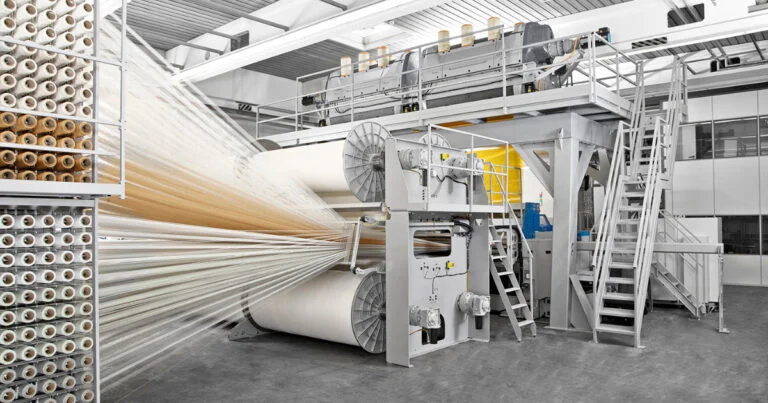
Industry 4.0 technologies are transforming textile factories into highly efficient, data-driven production environments. Modern manufacturing facilities now incorporate:
● Internet of Things (IoT) sensors
● Automated production systems
● Robotics and material handling solutions
● Real-time data analytics
● Cloud-based manufacturing management
According to ongoing Textile Technology News, these technologies improve productivity, reduce human error, and enhance supply chain visibility.
For home textile manufacturers, automation helps ensure consistent quality while supporting sustainable production practices through reduced resource consumption.
Eco-Friendly Dyeing Technologies
Traditional dyeing processes have long been associated with significant water and chemical usage. However, recent innovations are changing this narrative.
Emerging dyeing technologies highlighted in Textile Technology News include:
Waterless Dyeing
Advanced systems use carbon dioxide or other alternatives to eliminate excessive water consumption.
Natural Dye Solutions
Manufacturers are increasingly exploring plant-based and biodegradable dye options.
Low-Energy Processing
New dyeing equipment reduces energy requirements while maintaining high color quality.
These advancements contribute directly to the production of Sustainable Home Textiles, helping brands meet environmental goals without compromising performance.
Future Outlook for Textile Technology
The future of textile innovation appears exceptionally promising. As digital transformation accelerates, manufacturers will continue to explore new materials, production methods, and sustainability strategies.
Key trends expected to shape future Textile Technology News include:
● AI-driven design development
● Advanced sustainable fiber innovation
● Increased textile recycling capabilities
● Smart home textile integration
● Carbon-neutral manufacturing initiatives
● Blockchain-enabled supply chain transparency
These technologies will create new opportunities for businesses while supporting a more sustainable and responsible textile industry.
Conclusion
The latest Textile Technology News demonstrates that innovation is driving profound change across the global textile sector. From AI-powered manufacturing and smart textiles to digital printing and recycling technologies, the industry is embracing solutions that improve efficiency, quality, and sustainability.
At Home Textile Views, we believe that staying informed about these advancements is essential for manufacturers, suppliers, designers, and retailers seeking to remain competitive in an evolving market. As the demand for Sustainable Home Textiles continues to grow, technological innovation will remain at the heart of the industry's transformation, shaping a smarter, greener, and more resilient future.
Location




Information

Location
Dwarka, Delhi, India, 110077
Contact Number
9958199XXX
Click to reveal phone number
Leave a Comment